Inheriting a house is complicated enough without finding scorched shingles or a burned-through section of roof waiting for you. California sees this scenario more than most states — house fire statistics by state show California logged over 92,000 house fires between 2015 and 2019 alone, the second-highest total in the country.
Add an inheritance and a damaged roof together, and you’re managing a legal process, an insurance policy, and a construction problem all at once. Here’s what to actually do, in order.
Situations like this are becoming more common, not less. Millennials alone are projected to inherit roughly $27 trillion from Baby Boomers over the next two decades, and Inherited House Guide’s data on inherited properties show that more than half of homeowners over 55 plan to stay in their homes for the rest of their lives.
That means many properties transfer to heirs only after years of deferred maintenance, and sometimes after a disaster like a fire. A fire-damaged roof on an inherited home isn’t a rare edge case — it’s a predictable outcome of how property changes hands.
Confirm the Property’s Legal Status Before Anything Else
Before you touch the roof or call an insurer, you need to know how you legally hold the property. Under California’s probate process for heirs, a home held solely in the deceased’s name typically must go through probate, which can take 6 months to 2 years.
Smaller estates get a break: estates valued under $184,500 qualify for a simplified, faster probate procedure. If the home was already in a living trust, you can often skip probate entirely and transfer title directly.
Don’t Let the Insurance Lapse
A homeowners insurance policy does not automatically transfer when the owner dies, and a fire-damaged roof makes this especially urgent. Research on homeowners insurance after a death shows insurers generally need to be notified within about 30 days, and a lapse in coverage can make it much harder to get a new policy later.
An uninsured, fire-damaged, vacant home is exactly the kind of risk insurers avoid. Contact the insurer immediately, keep paying the premium if possible, and ask whether coverage can continue under your name during probate.
Get the Roof Damage Professionally Assessed
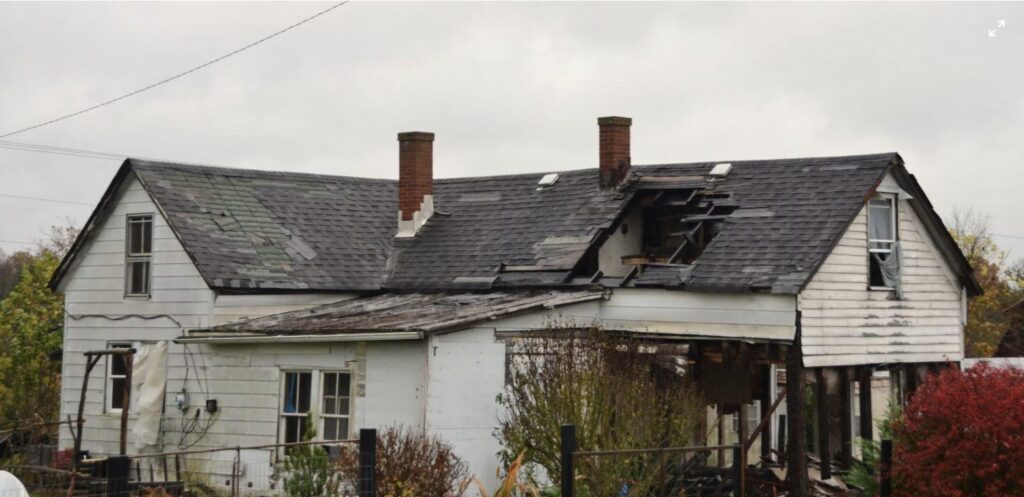
Fire damage to a roof isn’t always visible from the ground. Smoke and heat can compromise decking, trusses, and flashing even when shingles look mostly intact, which is why a professional inspection matters before you assume the damage is purely cosmetic.
This assessment also becomes documentation you’ll need for insurance claims, contractor bids, and eventually a sale, so it’s worth doing early rather than after you’ve already made decisions based on a guess.
Understand What Repair Actually Costs in California
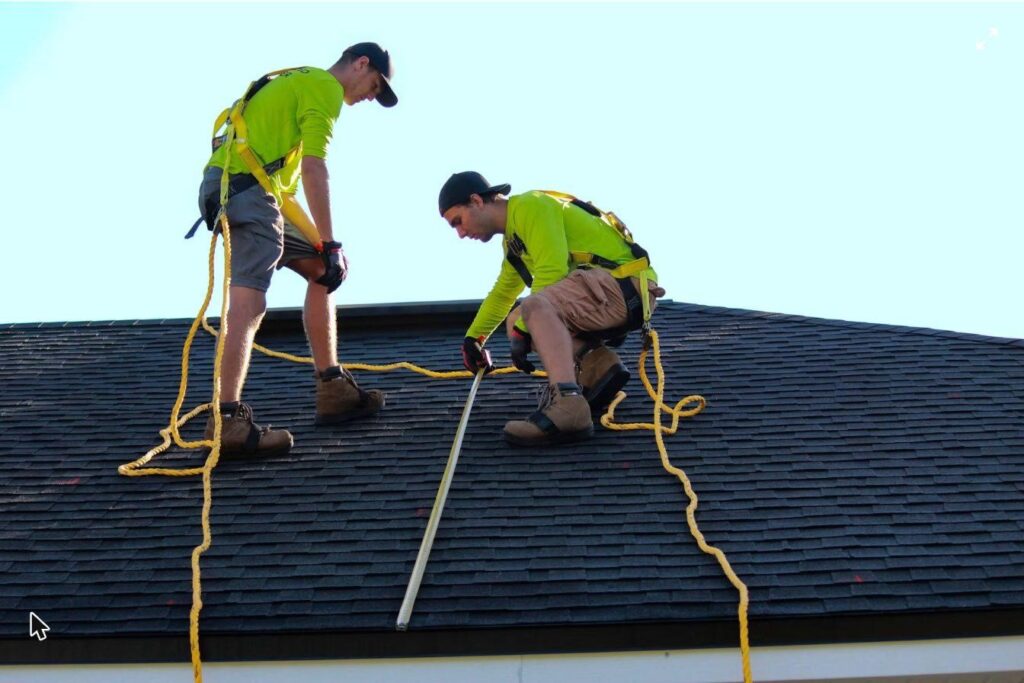
A full roof replacement in California runs $26,600 on average, with most projects falling between $24,000 and $30,000, according to California roof replacement cost data. Costs vary by region — Bay Area projects average around $28,500, while Sacramento-area jobs run closer to $25,080.
Fire damage repairs can cost less than a full replacement if the damage is contained, but a structural engineer or roofer needs to make that call, not a visual guess. Either way, get more than one bid before committing.
Insurance May Be Harder to Get Than You Expect
If the property sits in a higher wildfire-risk area, replacing lapsed coverage might mean turning to California’s FAIR Plan wildfire insurance, the state’s insurer of last resort for homes standard carriers won’t cover.
FAIR Plan coverage averages $3,000 to $3,200 per year statewide, compared to roughly $1,480 for a standard policy, and can climb to $5,000 to $12,000 or more in the highest-risk zones.
The Tax Upside of Inheriting the Property
There’s one piece of good news buried in all of this. Under the stepped-up basis rule for inherited property, your cost basis in the home resets to its fair market value on the date the original owner died, not what they originally paid for it.
That matters if you decide to sell: you’re only taxed on appreciation that happens after you inherit the home, not decades of gains the original owner would have owed on. That tax treatment often makes selling sooner rather than later less costly than it looks on paper.
You’re Required to Disclose the Fire Damage When You Sell
California doesn’t let sellers quietly move past known fire damage. Under California’s disclosure requirements for sellers, the Transfer Disclosure Statement covers structural damage directly, and the separate Natural Hazard Disclosure report requires a yes-or-no answer about substantial wildfire risk in the area.
Skipping this isn’t a shortcut — it gives a buyer legal grounds to cancel the deal even after signing.
Selling As-Is Is a Legitimate Option
Not every heir wants to manage repairs, insurance headaches, and a probate timeline all at once, and that’s a reasonable position. According to HouseCashin’s California home sale data, cash buyers across the state close in around 15 days on average and purchase homes as-is, without requiring repairs, an inspection, or realtor fees.
The trade-off is a lower offer than a fully repaired home would bring on the open market, but it removes the repair cost, the insurance scramble, and the disclosure risk from the equation entirely — which, combined with the step-up in basis on your tax bill, can make an as-is sale less costly than it first appears.

The Bottom Line
Confirm the legal status of the property, keep the insurance active, get the roof professionally assessed, and understand your disclosure obligations before you sell. Whether you repair the roof or sell as-is, the worst option is doing nothing while an uninsured, fire-damaged house sits vacant.
None of these steps happen in isolation, either. The legal, insurance, tax, and repair questions all inform each other, and working through them in order is what keeps an inherited fire-damaged property from turning into a bigger financial problem than the fire itself.