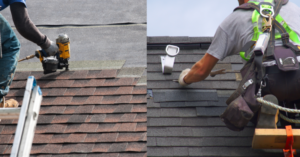
Neglecting gutter cleaning can lead to severe damage like foundation cracks, roof leaks, mold growth, and costly repairs. At Care Roofing Inc. Professional Roofing Experts, we’ve seen firsthand how simple maintenance prevents thousands in damages.
Introduction: The Hidden Dangers of Clogged Gutters
Gutters are your home’s first line of defense against water damage, quietly channeling rainwater away from your roof, walls, and foundation. But what happens if you don’t clean your gutters regularly? Debris like leaves, twigs, dirt, and shingle granules builds up, blocking water flow and triggering a cascade of problems. Over years of servicing homes, our team at Care Roofing Inc. has witnessed countless cases where skipped cleanings led to structural issues that far outweighed the cost of routine upkeep.
Imagine heavy rain hitting your roof, water unable to flow through clogged channels, overflowing instead and pooling where it shouldn’t. This isn’t just an inconvenience—it’s a recipe for disaster. In this comprehensive guide, we’ll dive deep into the consequences, backed by real-world insights from our gutter maintenance services page, where we detail prevention strategies and professional solutions. We’ll cover everything from immediate risks to long-term financial impacts, helping you understand why regular cleaning is non-negotiable.
Our expertise stems from decades in the roofing industry, handling everything from minor clogs to full system overhauls. We’ve repaired foundations eroded by overflow, replaced roofs rotted from backups, and remediated mold infestations—all traceable to neglected gutters. By sharing these lessons, we aim to empower you with knowledge that saves time, money, and stress.
1. Foundation Damage: The Silent Killer of Home Stability
The most devastating outcome of unclean gutters is foundation damage. When gutters clog, rainwater overflows and cascades down your home’s exterior, saturating the soil around the foundation. This excess moisture erodes the ground, creating uneven settling. Over time, your foundation develops cracks—hairline at first, then widening into structural threats.
From our experience, we’ve seen homes shift inches due to prolonged exposure, leading to sticking doors, uneven floors, and walls pulling away from ceilings. Repairing a compromised foundation can cost tens of thousands, involving hydraulic lifting, crack injection, and reinforcement. One case involved a homeowner who ignored seasonal cleanings for three years; water pooled consistently, causing a 2-inch crack that required $25,000 in fixes. Regular cleaning diverts water properly via downspouts, keeping soil stable.
Soil expansion from water absorption exacerbates this. Clay-heavy soils swell when wet, pressing against foundation walls. Dry cycles then contract them, stressing concrete. Without clean gutters, this cycle repeats with every storm, accelerating wear. Professionals recommend inspections twice yearly, plus post-storm checks, to catch issues early. Our roof repairs services often stem from these foundation woes, as water infiltration affects multiple systems.
To visualize: picture a garden hose spraying your house base unchecked for hours. Multiply by storm intensity—that’s clogged gutters. Installing gutter guards can reduce debris buildup by 80%, but cleaning remains essential as no system is foolproof.
2. Roof Damage: Leaks, Rot, and Premature Replacement
Clogged gutters don’t just overflow downward—they back up under your roofline. Water pools behind fascia boards, seeping under shingles and into the roof deck. This saturation rots wood sheathing, loosens shingles, and invites leaks into your attic.
We’ve repaired countless roofs where backups caused cupping shingles, granule loss, and ice dam formation in winter. Standing water freezes, expands, and cracks roofing materials. One memorable job: a roof with sagging gutters led to plywood rot spanning 400 square feet, necessitating $15,000 replacement. Untreated, leaks spread to insulation, ceilings, and electrical systems, compounding costs.
Roof lifespan drops dramatically— from 20-30 years to under 15 without maintenance. Fascia and soffits, the boards gutters attach to, warp and peel paint from constant moisture. Pests like carpenter ants thrive in damp wood, burrowing further damage. Early signs include peeling paint, stained ceilings, or musty attic odors. Addressing gutters prevents 70% of these roof issues, per industry observations.
Pro tip: During cleaning, check for loose hangers or rusted seams. Seamless aluminum gutters resist corrosion better, but all need seasonal attention. Combining cleaning with roof inspections catches interconnected problems proactively.
3. Mold, Mildew, and Health Hazards Indoors
Stagnant debris in gutters breeds mold and mildew—dark, slimy growths that release spores. Overflow carries these into walls and attics via leaks. Inside, high humidity fosters black mold, linked to respiratory issues, allergies, and asthma aggravation.
Our team has gutted attics black with mold from chronic leaks, requiring HEPA remediation, drywall replacement, and dehumidifiers—costs exceeding $10,000. Basements flood similarly, trapping moisture under slabs. Mildew odors signal trouble; ignore them, and air quality plummets.
Health impacts hit vulnerable groups hardest: children, elderly, immunocompromised. Spores travel via HVAC, spreading house-wide. Prevention? Clean gutters eliminate standing water, starving mold. Seal roof penetrations and ensure proper attic ventilation too.
4. Basement Flooding and Interior Water Intrusion
Overflow water seeks the lowest path—often into basements via foundation cracks or window wells. Sudden floods ruin carpets, drywall, and belongings; chronic seepage warps floors and corrodes wiring.
We’ve pumped out basements post-storm where clogged gutters turned inches of rain into feet of water. Electrical hazards arise from wet outlets, risking fires. Insurance may deny claims without maintenance proof. Sump pumps help, but clean gutters prevent overload.
5. Pest Infestations: Inviting Unwanted Guests
Debris-filled gutters are pest havens. Mosquitoes breed in puddles, rodents nest in leaves, termites munch soaked wood. Birds peck for insects, damaging seams.
Cases we’ve handled include termite swarms tracing back to gutter rot, requiring tenting and treatments costing $5,000+. Rodents chew insulation, leaving droppings and disease risks. Clean gutters deter 90% of these invasions.
6. Landscape and Exterior Erosion
Water cascades erode mulch, wash out plants, and gouge siding. Splashing creates ice patches, slip hazards. Landscaping investments vanish overnight.
Extend downspouts and add splash blocks during cleaning to protect yards.
7. Ice Dams and Winter Catastrophes
In cold climates, frozen clogs form ice dams—thick ridges trapping meltwater under shingles. Roofs tear off under weight.
We’ve replaced gutters collapsed from ice, alongside roof repairs. Heat tape and cleaning mitigate risks.
8. Escalating Costs and Reduced Home Value
Small neglect snowballs: $200 cleaning prevents $20,000 repairs. Appraisers deduct for gutter issues, lowering sale prices.
ROI on maintenance is high—extend gutter life 2x with care.
Why Professional Gutter Cleaning Beats DIY
Ladders slip, debris harbors dangers. Pros use lifts, spot repairs. Our services include guards, seamless installs.
Schedule biannually: spring/summer for pollen, fall for leaves.
How Often Should You Clean Gutters?
Twice yearly minimum, more near trees. Post-storm inspections key.
Signs Your Gutters Need Urgent Cleaning
- Overflow during rain
- Sagging gutters
- Plants growing
- Stains on siding
Cost of Neglect vs. Maintenance
Cleaning: $150-300. Repairs: 10x more. Invest wisely.
Conclusion
Don’t let dirty gutters compromise your home. Regular cleaning safeguards against damage. Contact Care Roofing Inc. for expert help.
Frequently Asked Questions
What happens if I don’t clean my gutters regularly?
Neglecting gutter cleaning leads to clogged channels filled with leaves, dirt, and debris, causing water to overflow. This results in foundation erosion, cracks from soil saturation, roof leaks as water backs up under shingles, mold growth in damp areas, basement flooding, pest infestations, landscape damage, and ice dams in winter. Over time, these issues escalate, leading to rot, structural weakening, health risks from mold spores, and repair costs in the thousands. For instance, foundation repairs alone can exceed $20,000, while roof replacements run $10,000-$30,000 depending on size. Professional maintenance prevents 80-90% of these problems by ensuring proper drainage. Homeowners often underestimate slow damage until insurance claims arise. Regular checks, especially twice yearly, divert water safely, preserving your property’s integrity and value. Delaying only amplifies risks during heavy rains or leaf seasons. Opt for experts equipped to handle heights and debris safely, combining cleaning with inspections for comprehensive protection. This proactive approach saves money long-term and maintains curb appeal.
How often should gutters be cleaned?
Gutters require cleaning at least twice a year—spring and fall—to remove seasonal debris like pollen, seeds, and leaves. Homes near trees need quarterly service; flat roofs or pine areas demand more. After major storms, inspect immediately for blockages. Signs prompting extra cleans include slow drainage, overflow stains, or sagging. Professionals assess based on environment, recommending schedules during free audits. Skipping leads to backups; consistent upkeep extends system life by years. Costs average $150-350 per visit, far less than damages. DIY suits low homes, but pros use tools for thoroughness, spotting loose seams or guard failures. Integrate with roof checks for efficiency. Track via calendar reminders. In leaf-heavy zones, monthly fall sweeps prevent autumn clogs. Ultimately, frequency hinges on debris load—monitor visually. This prevents the chain reaction of water damage starting from simple neglect. Investing time yields peace of mind and financial savings.
Can clogged gutters damage my foundation?
Yes, clogged gutters severely damage foundations. Overflow water pools at the base, saturating soil and causing erosion or hydrostatic pressure. Swelling clay pushes walls; shrinking pulls them, forming cracks. Water infiltrates via fissures, weakening concrete and risking settling. Basements flood, walls bow. Repairs involve excavation, piers, sealing—costly at $10,000+. We’ve fixed homes shifted months from unchecked spills. Extend downspouts 5-10 feet, grade soil away, clean regularly to mitigate. Splash blocks and French drains help. Ignore signs like cracks or wet basements, and issues compound. Inspect annually; pros detect early. Proper flow keeps soil dry, stable. This core function underscores gutters’ role—failure cascades system-wide. Educate via visual checks post-rain. Prevention trumps cure; small habits avert catastrophe.
Do dirty gutters cause roof leaks?
Absolutely, dirty gutters cause roof leaks. Debris dams water, forcing it up roof edges and under shingles. Saturation rots decking, loosens materials, creates pathways for intrusion. Attic stains, sagging ceilings follow. Ice dams worsen in cold, refreezing melt. Costs: $300-500/spot, $10k+ full replace. Cases show rot spanning sections from backups. Clean biannually, trim overhangs, add guards. Check fascia for rot. Leaks spread undetected, hitting insulation, wiring. Early intervention via pros saves roofs 10-20 years. Monitor drips, granule piles. Seamless systems resist better, but maintenance key. Overflow erodes shingles prematurely. Combine with ventilation for holistic care. Neglect shortens lifespan dramatically. Proactive cleaning ensures longevity.
What are ice dams and how do gutters contribute?
Ice dams form when roof snow melts from heat, refreezes at eaves in clogged gutters, damming water. Backups seep inside, damaging ceilings, walls. Weight sags or pulls gutters. Winter cleanings prevent by removing debris for flow. Heat cables, insulation upgrades aid. Signs: icicles, gutter leaks. Removal risks falls—hire pros. Damages average $2,500-$7,000. Clogs exacerbate by trapping initial melt. Annual fall cleans prep for snow. Attic baffles stop heat escape. Understanding cycle empowers prevention. Gutters channel melt away safely when clear. Neglect turns minor snow into major havoc.
Can neglected gutters lead to mold growth?
Yes, neglected gutters breed mold. Stagnant debris moistens, growing fungi releasing spores via leaks into attics, walls. Black mold poses health risks: allergies, breathing issues. Remediation: $500-$6,000+, involving removal, drying. Basements humidify similarly. Cleaning starves moisture; seal entries, ventilate. Dehumidifiers help chronically damp areas. Odors, stains signal trouble. Pros use antimicrobials post-clean. Spores travel HVAC-wide. Prevention maintains indoor air quality. Long-term exposure harms families. Regular service eliminates sources.
Are pests attracted to clogged gutters?
Clogged gutters attract pests. Wet debris hosts mosquitoes breeding, rodents nesting, termites feeding on rot, birds foraging. Entry via roof gaps introduces infestations. Treatments cost $1,000-$5,000+. Cleaning deters by drying out. Guards reduce access. Trim trees limiting debris. Signs: droppings, chew marks. Integrated pest management pairs with maintenance. Safe havens gone, populations drop. Health risks from diseases carried. Vigilance protects.
How much does gutter cleaning cost vs. repairs?
Cleaning costs $150-350 biannually, repairs $1,000-$50,000+. Foundation $10k+, roof $10k+, mold $5k. ROI: $200 prevents $20k. Pros bundle inspections. DIY saves short-term, risks injury. Factors: home size, stories, access. Quotes free. Maintenance budgets wisely. Insurance favors documented care. Long-term, pennies prevent dollars.
Should I install gutter guards?
Gutter guards reduce debris 70-90%, minimizing cleans to yearly. Types: screens, helmets, reverse curve. Not foolproof—need occasional service. Pros install matching systems. Cost $500-$2,000. Weigh trees, roof pitch. Combine with cleaning. Effectiveness varies; inspect annually. Great for low-maintenance, not substitutes. Enhances protection.
When to call professionals for gutters?
Call pros for multi-story homes, heavy debris, signs of damage, or time constraints. They use safe equipment, spot repairs, guarantee work. Post-storm, seasonally, or annually. DIY fine for accessible, but risks falls, incomplete cleans. Experience ensures thoroughness. Free estimates guide. Peace of mind worth it.