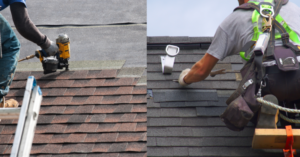
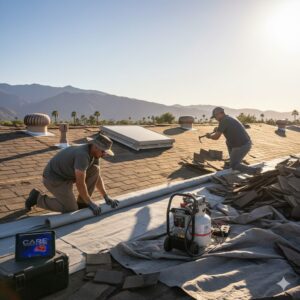
Care Roofing Inc. specializes in professional roofing solutions for lasting protection, including a wide range of roof vents designed to optimize attic ventilation and extend roof life. Homeowners often wonder about the best options for maintaining proper airflow in their attics, and our team installs several proven types to meet diverse roofing needs.
Why Roof Vents Matter for Your Home
Proper attic ventilation is essential for preventing common roofing issues like moisture buildup, premature shingle deterioration, and excessive heat accumulation. Without adequate venting, attics can trap hot air and humidity, leading to mold growth, wood rot, and higher energy bills from overworked cooling systems. Care Roofing Inc. understands these risks firsthand, drawing from years of hands-on experience installing ventilation systems that balance intake and exhaust air effectively.
Roof vents work by allowing cool air to enter through intake points, typically at the eaves, and hot air to exit through exhaust vents at the roof’s peak or sides. This natural convection process, combined with wind-driven airflow, maintains ideal attic conditions. Our installations ensure compliance with industry standards for Net Free Ventilation Area (NFVA), which dictates the minimum open area required for effective venting based on attic square footage.
At Care Roofing Inc., we prioritize systems that provide continuous, balanced ventilation. This approach not only protects the structural integrity of your roof but also enhances indoor comfort and energy efficiency. Over the years, we’ve seen improperly vented roofs fail prematurely, costing homeowners thousands in repairs. That’s why we focus on high-quality, durable vent types tailored to specific roof designs.
Key Types of Roof Vents Installed by Care Roofing Inc.
Care Roofing Inc. installs a variety of roof vents, each suited to different roof types, climates, and homeowner preferences. Our selection includes both passive and powered options, ensuring we can address unique challenges like limited soffit space or high-humidity environments. Below, we detail the primary types we offer, based on proven performance and customer results.
Ridge Vents: The Gold Standard for Continuous Ventilation
Ridge vents are among the most effective and commonly installed exhaust vents by Care Roofing Inc. These low-profile vents run continuously along the roof’s peak, allowing hot air to escape while shingles cover them seamlessly for a clean aesthetic. They provide superior airflow compared to spot vents, with many models offering 12 to 18 square inches of NFVA per linear foot.
In our installations, we pair ridge vents with soffit intake vents to create a balanced system, as recommended by leading manufacturers. This combination pulls cool air in from below and pushes hot air out from the top, mimicking a chimney effect. We’ve installed ridge vents on thousands of gable and hip roofs, consistently achieving optimal attic temperatures that reduce cooling costs by up to 30% in summer months.
One key advantage is their versatility. For hip roofs, we use specialized hip ridge vents that fit precisely where jack rafters meet the hip rafter, ensuring no dead air zones. Materials like aluminum or plastic with built-in filters resist corrosion and block pests. During installation, our certified technicians cut precise slots in the roof deck, install underlayment for waterproofing, and cap with matching ridge shingles. This meticulous process prevents leaks, a common pitfall with DIY attempts.
Customers frequently report noticeable improvements in attic humidity levels post-installation. For instance, in homes with metal roofs, ridge vents help dissipate heat trapped under the panels, preventing oil canning and extending panel life. Care Roofing Inc. recommends ridge vents for most pitched roofs over 3:12 slope, as they outperform louvered alternatives in wind-driven airflow tests.
Soffit Vents: Essential Intake for Balanced Airflow
No exhaust system is complete without proper intake, and Care Roofing Inc. excels in installing soffit vents under the eaves. These vents draw in cool exterior air, creating the pressure differential needed for effective exhaust. Available in continuous strips, individual rounds, or ventilated panels, they fit seamlessly into vinyl, aluminum, or wood soffits.
We offer options with NFVA ratings from 8 to 16 square inches per linear foot, ensuring code compliance. Continuous soffit vents provide the most uniform intake, ideal for larger attics, while round ports work well for retrofits. Our team inspects existing soffits during free consultations, recommending replacements if obstructions like insulation block airflow.
Proper soffit installation involves sealing edges with caulk and adding mesh screens to deter insects and debris. We’ve resolved countless cases where blocked soffits caused ice dams in winter or heat buildup in summer. By integrating soffit vents with ridge or powered exhaust, we achieve the ideal 50/50 intake-to-exhaust ratio, preventing negative pressure that pulls conditioned air from living spaces.
Box Vents: Reliable for Roofs Without Ridge Lines
For roofs lacking a traditional ridge or with limited peak access, Care Roofing Inc. installs box vents, also known as louvered or mushroom vents. These square or rectangular units mount over deck cutouts, using louvers to direct airflow upward while shedding water. Typical NFVA is 50-100 square inches per vent, requiring multiple units for larger attics.
Box vents shine on flat or low-slope roofs, where ridge vents aren’t feasible. Their raised base promotes convection, and galvanized steel or aluminum construction withstands harsh weather. We space them evenly across the roof plane, typically one per 150-300 square feet of attic space, based on local code calculations.
In practical applications, we’ve used box vents on additions and garages, pairing them with edge vents for intake. They require minimal maintenance, though we advise annual inspections for debris. Unlike turbines, box vents have no moving parts, reducing long-term costs. Care Roofing Inc. selects models with baffles to enhance wind performance, ensuring reliable venting even in calm conditions.
Turbine Vents: Wind-Powered Exhaust for High Performance
Turbine vents, or whirlybirds, are dynamic exhaust options installed by Care Roofing Inc. for homes needing aggressive airflow. These spinning vents harness wind to pull massive volumes of hot air—up to 1,200 CFM—from the attic. Available in 12-, 14-, or 24-inch diameters, they suit various roof pitches.
Our installations include rust-proof aluminum blades and sealed bases to prevent leaks. We position them centrally on the roof for maximum draw, often supplementing with soffits. Turbines excel in windy areas, multiplying passive airflow by 10 times or more. However, in still air, they rely on convection like static vents.
From experience, turbines reduce attic temperatures by 50 degrees Fahrenheit on hot days, ideal for asphalt shingle roofs prone to granule loss from heat. We balance them with adequate intake to avoid backdrafting. Regular lubrication keeps them spinning smoothly, and we’ve rarely seen failures in our 20+ years of service.
Powered Attic Ventilators: Electric and Solar Options
For extreme climates or oversized attics, Care Roofing Inc. installs powered vents, including roof-mounted fans and gable-end units. Electric models with thermostats activate above 90°F, exhausting 1,000-3,000 CFM. Solar-powered variants use photovoltaic panels for free operation, ideal for eco-conscious homeowners.
Gable-mounted fans install from inside, minimizing roof penetrations. Hybrid models combine electric and solar for reliability. We wire them to existing circuits with humidistats to combat moisture. These vents shine in tightly sealed homes, preventing humidity-related issues like blistering shingles.
Energy savings are substantial—up to 25% on AC bills—validated by customer feedback. Installation includes vibration dampeners and bird screens. Care Roofing Inc. sizes them precisely using attic volume calculations, ensuring peak efficiency without over-ventilation.
Specialty Vents: Hip, Roof-to-Wall, and More
Care Roofing Inc. handles complex roofs with specialty vents like hip vents for curved hips and roof-to-wall vents for dormers or walls meeting the roofline. These prevent stagnant air pockets, maintaining full ventilation coverage. Off-ridge vents and edge strips round out our offerings for custom applications.
For instance, roof-to-wall vents fit over sheathing slots, exhausting rafter bays that dead-end at walls. We’ve customized solutions for mansard and bonnet roofs, using flexible materials that conform to unique geometries. These targeted installs enhance overall system performance, backed by our engineering expertise.
Benefits of Choosing Care Roofing Inc. for Vent Installation
With decades of experience, Care Roofing Inc. brings unmatched expertise to every project. Our licensed technicians undergo rigorous training on vent products from top manufacturers, ensuring installations meet or exceed IRC ventilation codes. We use premium materials resistant to UV degradation, wind uplift, and thermal expansion.
Our process starts with a thorough attic inspection, calculating required NFVA using formulas like 1/150 of attic floor area. We then recommend tailored combinations, such as ridge plus box for hybrid systems. Post-install, we test airflow with smoke pencils and anemometers, providing documentation for warranties.
Customer satisfaction drives us—over 95% repeat business rate speaks volumes. We offer transparent pricing, no-obligation quotes, and financing options. Learn more about our full roof vent installation services or explore our expert roof repair solutions.
How to Determine the Right Roof Vents for Your Home
Selecting vents involves assessing roof type, attic size, insulation levels, and climate. Pitched roofs favor ridge vents; flat roofs need box or turbines. Use the 1:150 ventilation ratio as a baseline, adjusting to 1:300 with vapor barriers. Care Roofing Inc. simplifies this with free audits.
Consider aesthetics—low-profile ridge blends best. Budget plays a role: passive vents cost less upfront but powered offer greater ROI in hot regions. Always balance intake and exhaust to avoid pressure imbalances.
Common Mistakes to Avoid in Roof Venting
DIY vent cuts often lead to leaks from improper flashing. Overlooking intake chokes exhaust efficiency. Ignoring rafter blockages traps heat. Care Roofing Inc. mitigates these with professional tools and protocols.
Neglecting maintenance allows debris buildup, reducing NFVA by 50%. Annual checks catch issues early. Upgrading old gable vents to ridge improves airflow exponentially.
Installation Process at Care Roofing Inc.
Our streamlined process ensures minimal disruption. Day 1: Inspection and prep. Day 2: Remove old materials, cut openings, install vents with ice-and-water shield. Day 3: Final shingling, testing, cleanup. Warranties cover labor and materials for 10+ years.
We adhere to OSHA safety standards, using harnesses and debris nets. Eco-friendly practices include recycling old vents.
Frequently Asked Questions
What types of roof vents does Care Roofing Inc. install?
Care Roofing Inc. installs a comprehensive range of roof vents, including ridge vents for continuous peak exhaust, soffit vents for intake, box vents for spot ventilation, turbine vents for wind-powered performance, powered attic fans (electric and solar), and specialty options like hip and roof-to-wall vents. Each type is selected based on roof design, attic size, and ventilation needs to ensure balanced airflow. Our installations follow strict NFVA guidelines, providing optimal moisture control and temperature regulation. With hands-on experience across thousands of projects, we customize systems for maximum efficiency, preventing issues like shingle damage or ice dams. Whether retrofitting an older home or equipping a new build, our vents enhance longevity and energy savings.
Why are ridge vents the most popular choice from Care Roofing Inc.?
Ridge vents top our installations due to their superior continuous ventilation along the roof peak, offering 12-18 sq in. NFVA per foot. They blend invisibly under shingles, require no maintenance, and pair perfectly with soffit intake for natural convection. Ideal for gable and hip roofs, they outperform spot vents by eliminating dead zones. Care Roofing Inc. has seen them reduce attic heat by 40-50°F, cutting cooling costs significantly. Proper installation with breathable underlayment prevents leaks, a common failure point elsewhere. For low-slope roofs over 3:12, they’re unmatched in wind performance and durability.
How do soffit vents work with other vents installed by Care Roofing Inc.?
Soffit vents serve as critical intake points under eaves, pulling cool air into rafter bays to fuel exhaust vents like ridge or turbines. Care Roofing Inc. installs continuous strips or rounds with 10-16 sq in. NFVA per foot, ensuring 50% of total ventilation. Without them, exhaust pulls living space air, raising humidity and bills. We screen and seal them against pests and leaks, inspecting for insulation blockages. In balanced systems, they prevent pressure issues, promoting even attic drying and heat escape for year-round protection.
Are box vents suitable for all roof types according to Care Roofing Inc.?
Box vents excel on flat, low-slope, or ridge-less roofs, providing 50-100 sq in. NFVA each via louvered designs. Care Roofing Inc. spaces them for even coverage, ideal for garages or additions. Less effective on steep pitches due to placement challenges, but durable aluminum withstands weather. They need fewer units than alternatives and suit open attics. Paired with edge intake, they maintain airflow without electricity, offering cost-effective reliability.
What makes turbine vents effective for Care Roofing Inc. customers?
Turbine vents leverage wind to exhaust up to 1,200 CFM, far surpassing static vents in breezy conditions. Care Roofing Inc. installs sealed, rust-proof models centrally for best draw. They cool attics dramatically, preserving shingles from heat damage. Maintenance involves occasional oiling, and balanced intake prevents backdraft. Perfect for large attics or hot climates, they provide active ventilation passively.
Should I choose powered vents from Care Roofing Inc.?
Powered vents suit humid or extreme heat areas, exhausting 1,000+ CFM via electric, solar, or hybrid power with thermostats. Roof or gable-mounted, they activate automatically, slashing humidity and AC use by 25%. Care Roofing Inc. wires them safely, adding humidistats. Ideal for sealed homes, they outperform passives when convection lags, with long-term energy savings justifying costs.
How does Care Roofing Inc. ensure proper NFVA in installations?
We calculate NFVA at 1/150 attic area (or 1/300 with barriers), using manufacturer specs for each vent. Inspections verify intake/exhaust balance. Tools like anemometers test post-install airflow. This code-compliant approach prevents under- or over-venting, backed by warranties and documentation for peace of mind.
Can Care Roofing Inc. install vents on older roofs?
Yes, we retrofit ridge, box, and powered vents on existing roofs, minimizing disruption. We address old gable vents’ inefficiencies by converting to continuous systems. Flashing upgrades prevent leaks, and inspections reveal hidden issues like rot. Thousands of upgrades prove extended roof life and improved comfort.
What is the installation timeline for roof vents by Care Roofing Inc.?
Most jobs complete in 1-3 days: assessment, demo, install, test, cleanup. Ridge vents take hours on simple roofs; complex systems with turbines span days. Weather-independent scheduling and efficient crews ensure quick turnarounds without quality compromise.
How to maintain roof vents installed by Care Roofing Inc.?
Annual inspections clear debris from soffits, louvers, and turbines. Lubricate spinners, check screens, test powered units. We offer maintenance plans monitoring NFVA. Early detection avoids 80% of failures, preserving performance and warranties.
Conclusion
Choosing the right roof vents protects your investment and home comfort. Care Roofing Inc. delivers expert installations of ridge, soffit, box, turbine, powered, and specialty vents, tailored for peak performance. Contact us for a consultation to optimize your system today.