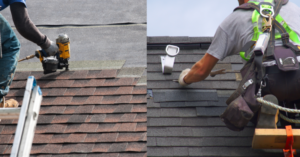
Proper attic ventilation is essential for maintaining a healthy home. As experts at Care Roofing Inc. Roofing Excellence, we’ve installed countless attic venting systems over the years. In this comprehensive guide, we break down all major types of attic vents available, their pros and cons, installation considerations, and how to choose the right one for optimal performance. Whether you’re building new or upgrading an existing roof, understanding these options will help you make informed decisions.
Why Attic Ventilation Matters
Attic vents play a crucial role in regulating temperature, reducing moisture buildup, and extending the life of your roofing materials. Without adequate ventilation, hot air and humidity can trap in the attic, leading to issues like premature shingle deterioration, mold growth, wood rot, and higher energy bills from overworked HVAC systems. Industry standards recommend a balanced system with roughly 50% intake vents at the lower roof edges and 50% exhaust vents near the peak. This creates natural convection where cool air enters low and hot air exits high.
From our extensive experience installing professional attic venting solutions, we’ve seen firsthand how proper venting can lower attic temperatures by up to 50 degrees Fahrenheit in summer and prevent ice dams in winter. Poor ventilation often results in costly repairs, but the right system pays for itself through energy savings and longevity.
Main Categories of Attic Vents: Intake vs. Exhaust
Attic vents fall into two primary categories: intake vents and exhaust vents. Intake vents draw in cool outside air, typically located at the eaves or lower roof areas. Exhaust vents release hot, moist air from the upper attic space. A balanced 1:1 ratio is ideal for most homes, though calculations based on attic square footage determine exact needs—generally 1 square foot of net free ventilation area per 150 square feet of attic space, or 1/300 with insulation adjustments.
Types of Intake Vents
Intake vents are the unsung heroes of attic ventilation, providing the fresh air that fuels the entire system.
Soffit Vents
The most common intake option, soffit vents are installed along the underside of roof overhangs, known as soffits. They come in several styles: individual rectangular or round vents, continuous perforated strips, or fully ventilated soffit panels. Continuous soffit vents offer the highest airflow, often providing 10-12 square inches of net free area per linear foot. Their low placement ensures cool air enters before rising through the attic.
In our installations, soffit vents consistently outperform other intakes because they leverage natural airflow paths. For homes without overhangs, they’re not feasible, but for standard designs, they provide unobtrusive, high-efficiency ventilation. Maintenance is minimal—just clear debris periodically to maintain flow.
Rooftop Intake Vents
For homes lacking soffits or with limited eave space, rooftop intake vents mount directly on the roof slope near the edges. These low-profile options, sometimes called edge vents or drip edge vents, pull air from above the roofline. They feature mesh screens to block pests and are durable against weather exposure.
We’ve used these in retrofits where modifying soffits wasn’t practical. They integrate seamlessly with most roofing materials and provide reliable intake even in tight spaces. Airflow ratings vary, but quality models deliver comparable performance to soffits when properly sized.
Types of Exhaust Vents
Exhaust vents are positioned high on the roof to expel rising hot air. They divide into static, powered, and mechanical subtypes.
Static Exhaust Vents
Static vents rely on natural convection—no moving parts or electricity needed. They’re cost-effective and low-maintenance.
Ridge Vents
Installed along the roof peak under shingles, ridge vents provide continuous exhaust across the entire ridge length. Baffled designs prevent shingle overhang blockage and wind-driven rain entry. They offer superior airflow—up to 18 square inches per linear foot—and blend invisibly with the roofline.
From years of hands-on work, ridge vents are our go-to for most pitched roofs. They eliminate the need for multiple penetrations, reducing leak risks. Pair them with soffits for balanced, high-performance systems.
Box Vents (Static Roof Louvers)
These square or rectangular vents mount flat on the roof slope, often called turtle, slant-back, or off-ridge vents. Each provides 50-100 square feet of attic coverage with net free areas around 50 square inches. Multiple units space evenly near the ridge.
Ideal for roofs unsuitable for ridge venting, like hips or flats. We’ve installed thousands, appreciating their simplicity and durability. Screens keep out birds and insects effectively.
Hip Vents
Similar to ridge vents but for hip roofs, these run along roof hips. They ensure ventilation in non-gable designs, maintaining balance.
Powered Exhaust Vents
Electric or solar fans actively pull air, ideal for low-wind areas or high-heat climates. They include thermostats activating at 80-100°F.
Electric Powered Roof Vents
Hardwired fans with motors rated in CFM (cubic feet per minute). High-CFM models move 1,000+ CFM, rapidly cooling large attics. Humidistat options target moisture too.
In challenging installs, these have transformed poorly ventilated attics, dropping temperatures dramatically. Wiring must be professional to avoid fire hazards.
Solar Powered Vents
Brushless motors powered by roof-mounted panels—no electricity costs. They operate daylight hours, with battery backups in premium models. CFM matches electric counterparts.
We’ve seen excellent results in sunny conditions, providing eco-friendly boosting to static systems without trenching wires.
Mechanical Exhaust Vents
Wind Turbines (Whirlybirds)
Turbine vents spin with wind, creating suction via ball bearings. Effective in breezy areas, they idle as static vents in calm. Adjustable bases fit various pitches.
Popular for their visual appeal and performance, though bearings require occasional lubrication. Best as supplements, not primaries.
Gable-End Vents
Mounted on attic gable walls, these louvered panels ventilate end walls. Fixed or operable, they suit gable roofs but cross-ventilate rather than exhaust upward.
Often paired with roof vents for completeness. Decorative options enhance aesthetics.
Comparing Attic Vent Types: Pros, Cons, and Best Uses
Choosing the right vent depends on roof design, climate, and budget. Here’s a breakdown:
- Ridge Vents: Pros—Continuous flow, aesthetic, leak-resistant. Cons—Requires ridge-compatible roof. Best for pitched shingle roofs.
- Box Vents: Pros—Versatile, affordable. Cons—Multiple penetrations. Best for hips or retrofits.
- Powered Fans: Pros—High volume, controlled. Cons—Maintenance, power needs. Best for hot/humid attics.
- Turbines: Pros—Wind-boosted. Cons—Visible, wind-dependent. Best in windy sites.
- Soffit Intakes: Pros—Optimal placement, hidden. Cons—Needs overhangs. Universal first choice.
For comprehensive service details, explore our expert roofing services page.
Calculating Your Ventilation Needs
Use the 1/150 or 1/300 rule: divide attic sq ft by 150 (or 300 with vapor barriers) for total net free area (NFA), split 50/50 intake/exhaust. Factor in climate—hot areas need more. Tools like ventilation calculators simplify this, but pros ensure accuracy including blockages like insulation.
In practice, we’ve balanced systems reducing energy use 20-30%. Over-venting wastes energy; under-venting damages structures.
Installation Best Practices
Professional installation prevents leaks—seal penetrations with roofing cement, ensure flashing. Balance is key; inspect annually for blockages. Combine types for optimal flow, like ridge with soffits.
Our team follows strict protocols, drawing from decades of expertise at Care Roofing Inc., ensuring systems perform reliably year-round.
Common Mistakes to Avoid
Avoid unbalanced systems, blocked intakes, or cheap vents with low NFA. Don’t overlook baffles in ridge vents or pest screens. Myths like “more vents always better” ignore balance.
Maintenance Tips for Longevity
Clear debris biannually, lubricate turbines, test powered fans. Monitor for stains indicating issues. Early detection saves thousands.
Frequently Asked Questions
What are the most common types of attic vents available?
The most prevalent attic vents include soffit vents for intake and ridge vents, box vents, powered fans, solar vents, and turbines for exhaust. Soffit vents dominate intakes due to their placement under eaves, allowing cool air entry. Exhaust options like ridge vents provide continuous peak ventilation, while static box vents suit varied roofs. Powered and solar variants add active airflow for demanding conditions. Each type serves specific needs—static for simplicity, powered for volume. Proper balance (50/50 intake/exhaust) maximizes efficiency, preventing heat/moisture issues. Consult pros for sizing based on attic size and climate to achieve optimal net free ventilation area.
How do soffit vents work as intake vents?
Soffit vents, installed along roof overhang undersides, draw cool exterior air into the attic’s lower regions. Available as individual units, continuous strips, or vented panels, they offer 10-12 inches of net free area per foot. Positioned ideally for convection, air rises, carrying heat/moisture out exhaust vents. In homes with eaves, they’re standard, outperforming alternatives. We’ve installed them extensively, noting their discretion and efficacy. Ensure insulation doesn’t block them, and clean vents seasonally for sustained performance, reducing attic temps significantly and protecting structure.
What is a ridge vent and why is it popular?
Ridge vents cap the roof peak under shingles, enabling hot air escape along the entire length. Baffled models (12-18 sq in/ft NFA) resist wind-driven rain. Popular for seamless integration, no roof holes, and high airflow. Ideal for most sloped roofs, they pair perfectly with soffits. Our experience shows they lower peak temps 30-50°F, extending shingle life. Installation requires precise cutting/sealing to prevent leaks—always professional. Superior to spot vents for uniform ventilation.
Are powered attic vents worth the investment?
Powered vents, electric or solar, use fans (800-1600 CFM) with thermostats/humidistats for active exhaust. Excellent for stagnant air, high heat, or moisture-prone attics, dropping temps 50°F+. Electric needs wiring; solar is free-operating. Costs recouped via energy savings, ice dam prevention. We’ve seen them vital in tight attics. Cons: maintenance, aesthetics. Best supplementing static systems, not replacing. Size by attic volume for peak efficiency.
How effective are turbine vents (whirlybirds)?
Turbine vents spin via wind, generating suction (up to 520 CFM in breeze). Ball-bearing bases fit pitches; idle statically in calm. Effective in windy areas, visible but durable. Pros: boosts exhaust, affordable. Cons: wind-reliant, lubrication needed. Often supplemental to ridge/box vents. Install multiple for coverage. Proven in our installs to enhance flow where natural convection lags, though not standalone for calm regions.
What are box vents and when to use them?
Box vents (turtle/slanted louvers) mount on roof slopes, each venting 50-100 sq ft (50 sq in NFA). Static, no power. Versatile for non-ridge roofs, retrofits. Space evenly near peak. Pros: simple, screened. Cons: penetrations risk leaks if poorly flashed. Common on older homes. We recommend for hips/flats, combining with soffits. Reliable, low-cost backbone for many systems.
Do I need both intake and exhaust vents?
Yes—balanced ventilation requires 50% intake (soffit/rooftop) and 50% exhaust (ridge/powered/etc.). Intake supplies air; exhaust removes it. Imbalance causes pressure issues, reduced efficiency. Standards dictate 1/150 NFA total, split evenly. Audits reveal most problems from poor balance. Our assessments confirm proper pairing prevents 90% of ventilation failures.
How do I calculate required attic ventilation?
Measure attic sq ft, divide by 150 (or 300 with barriers) for total NFA sq ft, split 50/50. Example: 2000 sq ft attic needs 13.3 sq ft NFA (6.65 each). Adjust for climate/insulation. Use calculators, but site factors matter. Pros account for restrictions. Accurate calc avoids under/over-venting, optimizing performance.
Can solar powered vents replace electric ones?
Solar vents match electric CFM daylight-only, ideal sunny climates. No wiring/bills, eco-friendly. Battery models extend runtime. Electric reliable always, higher initial output. We’ve used both—solar for supplements, electric primaries in shade. Assess sunlight; hybrid best versatility.
What maintenance do attic vents require?
Inspect biannually: clear debris/screens, lubricate turbines, test powered fans/thermostats. Check flashing for leaks. Gable vents operable? Lubricate. Neglect causes blockages, failures. Annual pro tune-ups extend life, catch issues early. Simple habits prevent 80% problems.
Equipped with this knowledge, select vents matching your roof and needs. Contact Care Roofing Inc. for expert assessment and installation to ensure peak performance.