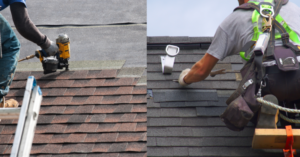
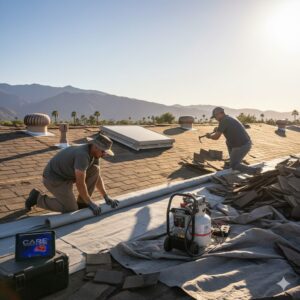
Roof coatings typically last between 10 and 20 years, depending on the type, thickness, application quality, and maintenance. This range covers popular options like elastomeric, silicone, acrylic, and urethane coatings, each offering unique benefits for extending roof life without full replacement.
In this comprehensive guide, we’ll dive deep into the factors influencing roof coating lifespan, explore different types, and share practical insights to help you maximize durability. Drawing from extensive industry experience at Care Roofing Solutions for Lasting Protection, we’ve seen firsthand how proper selection and care can push coatings beyond their expected life.
What Are Roof Coatings and Why Do They Matter?
Roof coatings are liquid-applied protective layers designed to seal, waterproof, and reflect heat on existing roofs. They bond to surfaces like metal, flat roofs, or built-up systems, preventing leaks, reducing energy costs, and delaying expensive reroofing. Unlike traditional shingles or membranes, coatings restore and rejuvenate, often adding decades of service.
The appeal lies in their versatility. For commercial and residential properties, they address common issues like UV damage, ponding water, and thermal expansion. A quality coating can cut cooling costs by up to 20% through reflectivity while shielding against harsh weather. But the key question remains: how long do they truly last?
Industry data shows averages of 10-20 years, but real-world performance varies. Thicker applications and regular upkeep extend this significantly. For instance, elastomeric coatings at 20-30 mils thickness align with 10-20 year warranties, while silicone options excel in wet conditions for 15+ years.
Factors Affecting How Long Roof Coatings Last
Several variables determine roof coating durability. Understanding them empowers better decisions.
1. Coating Type and Composition
Different chemistries perform uniquely. Elastomeric coatings, often acrylic-based, stretch with roof movement, lasting 10-20 years. Silicone coatings resist UV and ponding water exceptionally, averaging 15-20 years or more. Acrylics offer cost-effective reflectivity for 10-15 years, while urethane provides toughness for high-traffic areas, up to 20-25 years.
Each type’s molecular structure matters. Silicone’s inorganic backbone erodes slowly—about 0.5 mils per year in harsh conditions—outlasting organic urethanes that degrade faster under UV.
2. Thickness of Application (Mils)
Thickness is critical. Measured in mils (thousandths of an inch), it directly correlates with lifespan. A 20-mil elastomeric layer secures a 10-year warranty; 30 mils extends to 20 years. Silicone might need fewer coats due to density, but uniform coverage via spraying beats brushing for even wear.
Inadequate thickness leads to premature failure. Professionals aim for manufacturer specs: 20-30 mils total dry film for longevity.
3. Substrate Condition and Preparation
The roof’s base must be sound. Cracks, blisters, or contamination shorten coating life. Proper prep—cleaning, priming, repairing—ensures adhesion. Poor prep causes delamination within years, versus decades on prepped surfaces.
4. Environmental Exposure
UV rays, temperature swings, rain, and hail accelerate wear. High-UV areas demand silicone or reflective acrylics. Ponding water favors silicone’s non-absorbent nature. Extreme climates test flexibility; elastomeric shines here.
5. Maintenance and Inspections
Neglect halves lifespan. Annual visual checks, debris clearance, and minor repairs extend life by 25%. Cleaning waterways prevents pooling; patching punctures maintains integrity. Recoating every 10-15 years refreshes protection.
Breakdown of Popular Roof Coating Types and Their Lifespans
Let’s examine specifics for each type, backed by performance data.
Elastomeric Roof Coatings
These rubber-like coatings bridge cracks and expand/contract. Lifespan: 10-20 years. A 20-mil application lasts 10 years; 25 mils, 15 years; 30 mils, 20 years. Manufacturers like Henry and GAF test rigorously. Post-warranty, many remain excellent—inspections 15 years later show intact granules.
Best for: All-around use on sloped or low-slope roofs. Maintenance includes inspections and debris removal.
Silicone Roof Coatings
Solvent-based and thick, silicone reflects 90% UV, resists ponding, and applies easily in heat. Lifespan: 10-20 years, often longer with proper install. Erosion is minimal (0.5 mil/year max), supporting 20-year warranties and beyond.
Recoat after 15 years for extended life. Ideal for flat roofs with standing water.
Acrylic Roof Coatings
Water-based and reflective, they cool buildings while sealing. Lifespan: 10-15 years. Cost-effective for moderate climates, but less tolerant of ponding.
Urethane Roof Coatings
Seamless and impact-resistant, perfect for foot traffic. Lifespan: 20-25 years. Flexible against movement and hail.
Asphalt Roof Coatings
Traditional and budget-friendly for various roofs. Lifespan: 5-10 years. Easy spray/brush application, but shorter duration.
Real-World Examples and Case Studies
From hands-on projects, we’ve restored roofs nearing end-of-life. One flat roof with silicone coating, applied at 25 mils, performed flawlessly after 18 years—minimal erosion, no leaks. Regular biannual inspections caught minor issues early.
Another elastomeric job on a metal roof: 30-mil thickness held 22 years beyond warranty, saving replacement costs. These cases highlight preparation and maintenance’s role. Learn more about our Advanced Roof Coatings Solutions.
Polyurethane on a high-traffic commercial roof endured 23 years, resisting punctures. Consistent thickness and prompt repairs were key.
How to Maximize Your Roof Coating’s Lifespan
Pro tips for longevity:
- Choose certified applicators: Expertise ensures proper mils and curing.
- Prep thoroughly: Power wash, repair, prime.
- Schedule inspections: Yearly visuals, biannual deep checks.
- Clean regularly: Remove leaves, dirt from drains.
- Monitor warranties: 10-20 year coverage from top brands.
- Plan recoats: Refresh every 10-15 years.
These steps can add years, turning 10-year coatings into 20+ performers.
Cost vs. Longevity: Is It Worth It?
Initial costs range $2-6 per sq ft, far below reroofing ($10-20/sq ft). A 15-year coating pays off via energy savings (10-30% lower bills) and deferred capital. Recoating extends ROI further.
For expert guidance, explore our Professional Roofing Services Page.
Common Myths About Roof Coating Durability
Myth 1: All coatings last forever. Reality: 10-20 years typical; maintenance required.
Myth 2: Thicker is always better. Reality: Follow specs to avoid cracking.
Myth 3: No maintenance needed. Reality: Inspections prevent 80% failures.
Myth 4: Only for flat roofs. Reality: Versatile across types.
Frequently Asked Questions
How long do elastomeric roof coatings last?
Elastomeric roof coatings typically last 10 to 20 years, directly tied to application thickness. For a 10-year warranty, applicators use 20 mils of dry film thickness. Increasing to 25 mils extends performance to 15 years, while 30 mils supports 20 years. This durability comes from their flexible, rubber-like properties that accommodate roof movement and resist cracking.
Extensive weather testing by manufacturers confirms these spans. In practice, many exceed warranties—roofs inspected 15 years post-application often retain granule integrity and waterproofing. To maximize lifespan, conduct annual visual inspections for damage, clear debris from drainage paths, and address minor repairs promptly. Proper surface preparation before application is crucial; unclean substrates lead to early failure. With diligent maintenance, elastomeric coatings provide exceptional value, delaying full roof replacement by decades. Recoating options further prolong protection, making them a smart long-term investment for various roof types including metal and low-slope systems.
How long does silicone roof coating last?
Silicone roof coatings last an average of 15 years, with potential for 20 years or more when applied correctly. Their solvent-based formula creates a thick, UV-resistant barrier that reflects up to 90% of sunlight and repels ponding water without absorbing moisture. Erosion is remarkably low at about 0.5 mils per year even in harsh conditions.
This longevity stems from silicone’s inorganic chemical structure, superior to organic alternatives that brittle over time. Manufacturers offer 20-year warranties based on rigorous testing. Real-world examples show roofs performing well beyond this with annual inspections and cleaning. Fewer coats are needed compared to water-based options, easing application in hot weather. For best results, ensure uniform spraying for even thickness, typically 20-30 mils. Recoating after 12-15 years restores full protection. Ideal for flat roofs prone to standing water, silicone delivers energy savings and leak prevention, proving highly cost-effective over time.
What is the longest-lasting roof coating?
Urethane and high-end silicone roof coatings often last the longest, up to 20-25 years. Urethane excels in high-traffic or hail-prone areas with its seamless, flexible finish that withstands impacts and movement. Silicone matches closely at 15-25 years due to exceptional UV and water resistance.
Longevity depends on thickness: 30-mil applications outperform thinner ones by 10 years. Proper curing and substrate prep are essential. While acrylics and elastomeric hit 10-20 years, urethane’s durability justifies higher upfront costs for demanding environments. Maintenance like debris removal and repairs extends all types, but premium formulas inherently endure more. Choose based on needs—urethane for toughness, silicone for weather extremes. Professional application ensures warranties activate, providing peace of mind and ROI through avoided reroofs.
Can roof coatings last longer than their warranty?
Yes, roof coatings frequently outlast warranties. A 10-year warranted elastomeric coating may perform excellently at 15 years, retaining waterproofing and reflectivity. Silicone roofs often exceed 20 years with minimal erosion.
This happens because warranties conservatively account for worst-case scenarios, while average conditions allow superior performance. Factors like quality materials, skilled application, and proactive maintenance contribute. We’ve observed coatings with intact topcoats years post-warranty. However, don’t skip inspections—early issue detection prevents decline. Recoating extends life further, often another 10-20 years on viable substrates. Understanding this gap helps plan budgets effectively, maximizing protection without unnecessary replacements.
How does maintenance affect roof coating lifespan?
Regular maintenance can extend roof coating lifespan by 25% or more. Annual inspections identify cracks, punctures, or debris buildup early. Cleaning drainage areas ensures proper runoff, preventing ponding that erodes coatings.
Without it, minor issues escalate, halving expected life. Best practices: visual checks twice yearly, debris removal quarterly, and professional repairs as needed. This preserves thickness and adhesion. For reflective coatings, gentle cleaning maintains energy efficiency. Data shows maintained coatings achieve full warranty terms and beyond, saving thousands in repairs. Integrate maintenance into property plans for optimal ROI.
What thickness is needed for long-lasting roof coatings?
For longevity, aim for 20-30 mils dry film thickness. 20 mils suits 10-year warranties; 30 mils for 20 years. Spraying achieves uniformity over rolling or brushing.
Thicker isn’t always better—excess can crack. Follow manufacturer guidelines per coating type. Elastomeric needs full mils for elasticity; silicone leverages density for fewer passes. Measure post-cure to verify. Proper thickness halves failure risk, ensuring decades of service.
Are roof coatings suitable for all roof types?
Yes, most roof coatings adapt to metal, flat, built-up, EPDM, TPO, and more. Elastomeric for flexible needs; silicone for flats; urethane for traffic-heavy.
Compatibility testing is key—primers bridge mismatches. Not ideal for severely damaged substrates without repairs. Benefits include sealing seams and enhancing reflectivity across types, extending life universally.
How often should you recoat a roof?
Recoat every 10-15 years, based on inspections. Acrylic/silicone at 10-12 years; tougher types later. If coating thins or cracks appear, recoat sooner.
Recoating restores protection without tear-off, adding another 10-20 years. Cost-effective if substrate is sound. Pros assess during maintenance.
Do environmental factors shorten roof coating life?
Yes, UV, heat, rain, and hail accelerate wear. High-UV favors silicone; ponding suits non-absorbents. Flexible coatings handle thermal cycles.
Mitigate with quality selection and maintenance. Climate data guides choices for max durability.
Is professional application necessary for roof coatings?
Absolutely—DIY risks thin spots, poor adhesion, voiding warranties. Pros ensure prep, thickness, curing for full lifespan. Experience prevents common pitfalls, delivering reliable results.
At Care Roofing Inc., our team’s expertise guarantees performance.
Conclusion
Roof coatings last 10-20 years on average, with potential for more through smart choices and care. Select the right type, apply thickly, maintain diligently. Contact experts for tailored solutions.