Imagine extending the life of your flat or low-slope roof by decades without the hassle and expense of a full replacement. Low-slope roof coatings make this possible by providing a protective layer that seals, reflects, and revitalizes your roofing system. As experts at Care Roofing Inc. Roofing Excellence, we’ve seen firsthand how these coatings transform aging roofs into durable, energy-efficient assets.
What Are Low-Slope Roof Coatings?
Low-slope roof coatings are specialized liquid-applied membranes designed specifically for roofs with minimal pitch, typically those slanting less than 3:12. These coatings are brushed, rolled, or sprayed onto the roof surface, forming a seamless, monolithic layer that adheres tightly to the substrate. Unlike traditional roofing materials that require tearing off the old roof, coatings are applied directly over existing systems like EPDM, TPO, PVC, or modified bitumen, provided the deck is structurally sound.
The primary composition of these coatings includes polymers such as silicone, acrylic, polyurethane, or elastomeric materials. Each type offers unique properties tailored to combat the challenges of low-slope roofs, where water pools easily, UV exposure is intense, and thermal expansion creates stress points. For instance, silicone-based coatings excel in ponding water resistance, creating a flexible barrier that prevents leaks even after prolonged standing water. Acrylic coatings, on the other hand, prioritize high reflectivity to combat heat buildup.
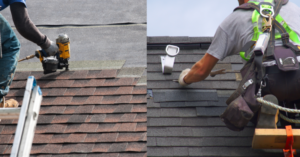
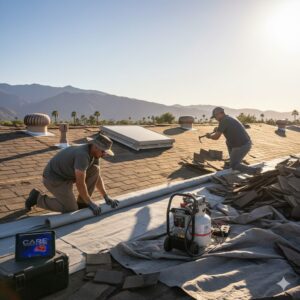
At Care Roofing Inc., our application process begins with a thorough inspection to identify any underlying issues like cracks, blisters, or punctures. We then prepare the surface by power washing and priming, ensuring optimal adhesion. The coating is applied in multiple layers, curing to form a waterproof shield that bridges seams and fasteners. This method not only restores the roof’s integrity but also enhances its performance, often adding 10-20 years of service life.
Understanding the chemistry behind these coatings reveals their superiority. Silicone coatings, for example, are 100% solids with no volatile organic compounds (VOCs), expanding and contracting up to 400% without cracking. This elastomeric quality mimics the movement of the roof substrate, preventing delamination. Acrylics, being water-based, dry quickly and provide immediate rain resistance, making them ideal for time-sensitive projects.
Why Are Low-Slope Roof Coatings Used?
The question arises: why opt for coatings over replacement? The answer lies in their multifaceted benefits. First and foremost, they provide superior waterproofing. Low-slope roofs are prone to leaks due to poor drainage, but coatings seal every penetration, seam, and flashings, creating 100% seamlessness. This eliminates the common failure points in ballasted or mechanically fastened systems.
Energy efficiency is another compelling reason. Many low-slope roof coatings boast solar reflectance indices (SRI) exceeding 80, reflecting up to 90% of sunlight and reducing roof surface temperatures by 50-100°F. This drastically cuts cooling costs—studies show potential savings of 20-30% on HVAC expenses. For commercial buildings with expansive roof areas, this translates to thousands in annual savings.
Durability against environmental assaults is paramount. UV radiation degrades unprotected membranes, causing chalking and embrittlement. Coatings shield the substrate, extending its lifespan. Ponding water, a killer for flat roofs, is no match for silicone formulations that remain stable indefinitely. Wind uplift resistance improves as the coating encapsulates loose gravel or ballast, creating a monolithic membrane tested to withstand 90+ mph gusts.
Cost-effectiveness seals the deal. Applying a coating system costs 20-50% less than replacement, with minimal disruption—no tear-off waste, no downtime. Maintenance plummets as the reflective surface discourages algae and moss growth. Environmentally, coatings reduce landfill waste and lower urban heat island effects, aligning with sustainability goals.
From our experience at Care Roofing Inc., we’ve applied thousands of square feet of coatings on commercial low-slope roofs, witnessing transformations. One project involved revitalizing a 50,000 sq ft EPDM roof suffering from alligatoring and ponding. Post-coating, leak calls dropped to zero, and energy bills fell 25%. These real-world outcomes underscore why coatings are a go-to solution.
Types of Low-Slope Roof Coatings
Diving deeper, let’s explore the main categories, each suited to specific needs.
Silicone Roof Coatings
Silicone coatings dominate low-slope applications due to their unmatched waterproofing. Made from polydimethylsiloxane, they form a non-stick surface where dirt and debris rinse off with rain, self-cleaning over time. Their flexibility—up to 500% elongation—handles substrate movement flawlessly. Ideal for EPDM, TPO, and metal roofs, they resist mildew and chemicals. Warranty terms often reach 20 years, backed by rigorous testing.
Acrylic Roof Coatings
Affordable and versatile, acrylic coatings are water-based emulsions that cure to a tough film. Their high albedo (reflectivity) makes them cool roof compliant, meeting ENERGY STAR standards. Best for BUR and gravel roofs, they require less prep but aren’t suited for constant ponding. Multiple coats build thickness, typically 20-30 mils dry film, providing robust UV protection.
Polyurethane Roof Coatings
For high-traffic roofs, polyurethane offers tensile strength exceeding 1000 psi. Aliphatic versions resist yellowing from UV, maintaining reflectivity. They excel in hybrid systems, top-coating silicone for added abrasion resistance. Though pricier, their longevity justifies the investment on logistics hubs or manufacturing facilities.
Elastomeric and Hybrid Coatings
Elastomeric coatings bridge gaps with stretchability, sealing hairline cracks. Hybrids combine silicone and acrylic benefits, optimizing cost and performance. Liquid-applied urethanes mimic spray foam, filling voids for superior insulation.
Choosing the right type involves assessing roof age, substrate, climate, and budget. Our team at Care Roofing Inc. conducts substrate tests to recommend the optimal match. For detailed specs on our silicone applications, check our Low-Slope Roof Coatings Services.
Application Process for Low-Slope Roof Coatings
Proper application is critical for longevity. Step one: inspection. Drones and infrared thermography detect moisture intrusion non-invasively. Surface prep follows—pressure washing at 3000 psi removes debris, followed by filler for punctures and a primer for adhesion.
Coating application uses airless sprayers for uniformity, targeting 20-40 mils DFT. Multiple coats, with 24-hour recoat windows, ensure thickness. Curing takes 48-72 hours before foot traffic. Post-application, we monitor with annual inspections.
Common pitfalls include inadequate prep, leading to fishmouthing, or over-application causing cracking. Our certified applicators avoid these, leveraging manufacturer training. Safety protocols, including harnesses and fall protection, ensure zero incidents.
Benefits in Depth: Longevity, Savings, and Sustainability
Longevity: Coatings add 15-25 years, per manufacturer data. A silicone-coated TPO roof, for example, outperforms uncoated by resisting hail and foot traffic.
Savings: ROI hits within 3-5 years via energy rebates and deferred capex. One client saved $45,000 annually on a 100,000 sq ft roof.
Sustainability: Low-VOC formulas minimize emissions. Reflective properties cut CO2 by reducing power plant demand. Recyclable components support green building certifications like LEED.
Case in point: Reviving a weathered PVC roof with polyurethane. Pre-coating leaks plagued operations; post-application, seamless protection and 35% energy drop. Learn more about our restoration expertise via Comprehensive Roofing Services.
Maintenance and Long-Term Care
Coated roofs demand minimal upkeep—annual visual checks and clearing drains suffice. Re-coating every 10-15 years refreshes performance. Avoid harsh chemicals; gentle cleaning preserves the membrane.
Monitoring tools like moisture meters catch issues early. With proper care, warranties activate fully, providing peace of mind.
Common Myths Debunked
Myth: Coatings are just paint. Reality: They are thick membranes (20+ mils) with engineered properties.
Myth: Only for flat roofs. Reality: Effective on low-slopes up to 3:12.
Myth: Short-term fix. Reality: Proven 20+ year performance.
Frequently Asked Questions
What are low-slope roof coatings exactly?
Low-slope roof coatings are advanced liquid membranes applied to roofs with pitches under 3:12. They form a durable, seamless barrier over existing materials like TPO, EPDM, or metal. Composed of silicone, acrylic, or polyurethane, they cure to 20-40 mils thick, sealing leaks, reflecting heat, and extending life by 15-25 years. Unlike paint, these are elastomeric systems that flex with the roof, resisting cracks from thermal cycling. Ideal for commercial buildings, they reduce energy costs by up to 30% through high SRI ratings. Proper application involves surface prep, priming, and multi-layer spraying for optimal adhesion and performance. This technology transforms failing roofs into high-performing assets without demolition.
Why choose coatings over full roof replacement?
Coatings cost 20-50% less than replacement, with no tear-off waste or business interruption. They restore waterproofing, boost energy efficiency, and add decades of life. For structurally sound decks, coatings encapsulate issues like cracks or loose seams, preventing progression. Energy savings from reflectivity pay back investment quickly—often in 2-4 years. Environmentally, they cut landfill contributions and lower cooling demands. Real projects show 25% HVAC reductions and zero leaks post-application. Replacement suits total failures; coatings excel for maintenance, offering warranties up to 20 years.
What types of low-slope roof coatings exist?
Key types include silicone for ponding resistance, acrylic for UV reflectivity, polyurethane for durability, and elastomeric for flexibility. Silicone handles standing water indefinitely, self-cleaning with rain. Acrylics, affordable and cool-roof compliant, suit moderate climates. Polyurethanes withstand traffic and hail. Hybrids blend properties for custom needs. Selection depends on substrate, exposure, and budget—silicone tops EPDM, acrylics fit BUR. Each undergoes rigorous testing for elongation, tensile strength, and SRI, ensuring reliability across conditions.
How long do low-slope roof coatings last?
High-quality coatings last 15-30 years, backed by warranties. Silicone often hits 20+ years due to UV stability and flexibility. Factors like thickness (30+ mils), maintenance, and climate influence duration. Annual inspections and drain clearing extend life. Unlike membranes degrading in 10-15 years, coatings protect the base layer, delaying replacement. Documented cases show 25-year performance on commercial roofs with minimal re-coating.
Are low-slope roof coatings energy efficient?
Yes, with SRI over 80, they reflect 85-90% sunlight, dropping roof temps 60°F+. This slashes cooling costs 20-30%, qualifying for rebates. Cool roof standards like ENERGY STAR endorse them. In hot climates, interiors stay cooler, boosting comfort and productivity. Combined with insulation, savings compound annually.
Can coatings fix existing leaks on low-slope roofs?
Absolutely—they penetrate and seal cracks, blisters, and seams. Prep work exposes issues; fillers and fabric reinforcement bridge gaps. The monolithic layer prevents future intrusion, even under ponding. Success rates exceed 95% on properly prepped surfaces, eliminating callbacks.
What is the application process for these coatings?
It starts with inspection using infrared and drones. Power washing removes debris, fillers patch damage, primer boosts adhesion. Sprayers apply 2-3 coats at 10-15 mils each, curing 24 hours between. Total time: 1-3 days for most roofs. Safety gear and weather monitoring ensure quality.
Do low-slope roof coatings work on all roof types?
Most: EPDM, TPO, PVC, metal, BUR, modified bitumen. Not spray foam or gravel without prep. Compatibility tests confirm adhesion. Our experience covers diverse substrates successfully.
How much do low-slope roof coatings cost?
$2-6 per sq ft, varying by type and condition. Silicone: $4-6; acrylic: $2-4. Factors: roof size, prep needs, coats. ROI via savings offsets upfront costs quickly.
When should I recoat a low-slope roof?
Every 10-15 years or at 50% reflectivity loss. Signs: chalking, dirt buildup, minor leaks. Annual checks guide timing for peak performance.
In summary, low-slope roof coatings offer a smart, proven path to roof longevity and savings. Contact Care Roofing Inc. to assess your needs today.