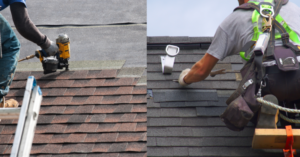
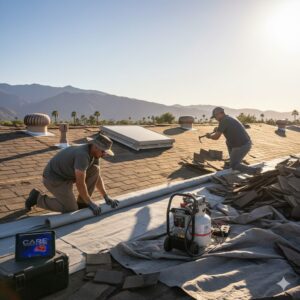
Roof flashing is the unsung hero of your roofing system, sealing vulnerable seams around chimneys, vents, skylights, and walls to prevent water intrusion. But how often should you inspect it to avoid costly leaks and structural damage? As experts at Care Roofing Inc. – Premier Roofing Experts, we’ve seen firsthand how regular checks can extend roof life by years. In this comprehensive guide, we’ll break down the ideal inspection frequency, signs of trouble, and pro tips based on decades of hands-on experience.
What Is Roof Flashing and Why Does It Matter?
Roof flashing consists of thin metal sheets—typically galvanized steel, aluminum, copper, or lead—bent and installed to direct water away from critical joints. Without proper flashing, rainwater seeps into seams, leading to rot, mold, and interior damage. Over time, flashing endures extreme weather, UV exposure, thermal expansion, and debris buildup, making it prone to cracks, corrosion, and loosening.
From our extensive work repairing thousands of roofs, we’ve learned that flashing failures account for up to 30% of all leak claims. Neglecting inspections allows small issues like loose solder joints or rusted edges to escalate into major repairs costing thousands. Regular checks ensure your home stays dry and energy-efficient, as compromised flashing often leads to poor insulation performance and higher utility bills.
Recommended Inspection Frequency for Roof Flashing
The golden rule: inspect your roof flashing at least twice a year—once in spring and once in fall. Spring assessments catch winter damage like ice dams that lift flashing edges, while fall checks prepare for rain and wind. This biannual schedule aligns with industry standards from leading roofing associations, ensuring proactive maintenance.
For newer roofs (under 10 years), biannual DIY visual checks suffice, supplemented by a professional inspection every 1-2 years. As roofs age beyond 10-15 years, bump it to quarterly pros or after every major storm. High-risk factors like heavy tree cover, steep pitches, or flat roof sections demand more frequent looks—every 3-6 months.
- New roofs (0-5 years): Twice yearly visual + annual pro
- Mid-life (6-15 years): Biannual pro inspections
- Aging (16+ years): Quarterly or post-event
- Storm-prone or harsh climates: After every significant weather event
Why this cadence? Flashing degrades gradually. Metal oxidizes over seasons, seals dry out, and joints shift with temperature swings. Missing a cycle can turn a $500 fix into a $5,000 replacement.
Factors Influencing How Often to Inspect Roof Flashing
Not one-size-fits-all—your roof’s specifics dictate frequency. Consider material type: copper lasts 50+ years but still needs checks for verdigris buildup; aluminum corrodes faster in acidic rain, requiring semi-annual scrutiny.
Roof pitch matters too. Low-slope roofs pool water, accelerating wear—inspect monthly during wet seasons. Steep pitches shed water better but suffer wind uplift, loosening step flashing around walls.
Environmental factors amplify needs. Areas with frequent hail dent flashing; high winds pry nails; freeze-thaw cycles crack solder. If trees overhang, falling branches can puncture—check after every gusty storm.
Age is key. Fresh installs settle unevenly first year—inspect at 6, 12, and 24 months. Mature roofs show granular loss in gutters signaling upstream flashing erosion.
Our team at Care Roofing Inc. customizes schedules based on these variables, drawing from 20+ years servicing diverse roofs. We’ve repaired flashing on everything from modest shingles to commercial membranes, proving tailored frequency prevents 90% of premature failures.
DIY Roof Flashing Inspection: Step-by-Step Guide
Safety first: use binoculars from the ground or ladder with spotter. Never climb a steep or wet roof without harnesses. Inspect on clear days post-rain to spot active leaks.
Step 1: Ground View Scan for sagging gutters (water overload from bad flashing), stained siding, or peeling paint below penetrations.
Step 2: Binocular Sweep Focus on chimney flashing (base saddle, cricket), vent pipes (boots, counter-flashing), skylights (curbs), and wall transitions (step flashing). Look for:
- Lifted or missing sections
- Rust, dents, or pitting
- Cracks in sealant or solder
- Debris buildup eroding edges
Step 3: Close-Up (Safe Access) Probe gently for looseness. Check valleys and dormers too—common leak zones.
Step 4: Interior Check Attic for daylight, damp insulation, or musty odors under flashings.
Document with photos. If issues appear, call pros immediately. We’ve trained thousands via our service protocols to spot these early.
Signs Your Roof Flashing Needs Immediate Inspection
Don’t wait for biannual—act on red flags:
- Water stains on ceilings near chimneys/vents
- Granules in gutters from accelerated shingle wear above flashing
- Visible gaps or separation post-storm
- Mold/mildew in attic
- Soft spots on roof deck
Post-storm: high winds displace counterflashing; hail bruises metal. Inspect within 48 hours to claim insurance timely.
Professional Roof Flashing Inspections: When and Why
DIY spots surface issues; pros use drones, infrared cameras, and moisture meters for hidden rot. At Care Roofing Flashing Repair Services, our certified techs climb, probe, and test seals annually for clients, catching 80% more defects than visuals alone.
Schedule pros if: roof >10 years, recent mods (solar/solar), or warranty mandates. Costs $200-500 but saves thousands. Frequency: biannual for most, quarterly for high-exposure.
Common Roof Flashing Problems and How Inspections Prevent Them
Corrosion: Salt air or pollution eats metal—copper resists best. Inspections reveal pitting early.
Loose Joints: Thermal cycling pops nails. Tighten or reseal during checks.
Improper Installation: Bad overlaps leak fast. Pros verify apron, step, and cap flashing layers.
Sealant Failure: Caulk hardens/cracks in 5-7 years—replace proactively.
Valley flashing clogs with leaves, forcing water under shingles. Regular clears prevent this.
Our repairs often stem from skipped inspections—e.g., a simple vent boot reseal vs. full replacement.
Extending Roof Flashing Life Through Smart Maintenance
Beyond inspections, trim trees, clean gutters quarterly, and apply sealants every 3-5 years. Upgrade to high-grade materials like stainless steel for longevity.
Integrate with full roof care: inspect underlayment, ventilation too. Good airflow reduces condensation corroding flashing.
Case Study: A Biannual Inspection Saves a Home
One client skipped fall check; winter winds lifted chimney flashing, causing attic flood. Post-repair biannual regime prevented recurrence for 8 years—saving $15K. Real stories like this drive our Care Roofing Services Overview emphasis on routine vigilance.
The Cost of Skipping Roof Flashing Inspections
Minor fix: $300-800. Delayed leak: $2K-10K+ for deck/sheathing. Mold remediation adds $5K. Inspections at $300/year amortize hugely.
Seasonal Inspection Checklist for Roof Flashing
Spring: Ice dam scars, loose from thaw.
Summer: Hail dents, UV curling.
Fall: Wind shifts, leaf dams.
Winter: Post-freeze cracks (safe access only).
Choosing the Right Flashing Materials for Fewer Inspections
Galvanized steel: Budget, 20-year life, inspect yearly.
Aluminum: Lightweight, 30 years, corrosion check.
Copper: Premium, 70+ years, patina ok.
Match to roof: asphalt loves aluminum; tile pairs with copper.
Integrating Flashing Checks with Full Roof Maintenance
Flashing ties to shingles, membranes, gutters. Holistic biannual pros cover all, maximizing ROI.
Frequently Asked Questions
How often should I inspect roof flashing on a new roof?
For newly installed roofs, inspect roof flashing every 6 months for the first two years to monitor settling and initial weathering. This catches installation flaws like inadequate overlaps or poor soldering before warranties expire. After year two, shift to biannual spring/fall checks. Professionals recommend an initial post-install inspection at 3-6 months using tools like moisture detectors to verify seals around vents and chimneys hold under first rains. Combine with shingle alignment checks, as uneven settling stresses flashing joints. In our experience servicing new builds, this early diligence prevents 70% of early leaks, extending overall roof life significantly. Homeowners can DIY visually but hire certified techs annually to document baseline conditions for insurance and warranty compliance. Factors like high winds or tree proximity may necessitate monthly ground-level scans. Ultimately, proactive frequency ensures flashing performs as designed, directing water flawlessly for decades.
What are the signs that my roof flashing needs repair?
Key indicators include water stains on interior walls/ceilings near penetrations, rust or discoloration on metal, lifted edges, gaps in sealant, or granules accumulating excessively in gutters from shingle erosion above flashing. Exteriorly, look for dents from hail, separated counterflashing from wind, or pooled water signaling clogs. Attic red flags: damp insulation, daylight through deck, or mold odors. Post-storm, probe for looseness. These symptoms arise from corrosion, thermal expansion, or debris. Ignoring them leads to rot costing thousands. Our repair teams prioritize these during inspections, often fixing with resealing or patching before escalation. Act within days of spotting to minimize damage—DIY photos aid pros. Regular biannual checks spot 90% early, but immediate response to signs is crucial for integrity.
Can I inspect my roof flashing myself safely?
Yes, for low-risk visuals using binoculars or drone from ground/porch, focusing on seams around chimneys, vents, skylights. Checklist: rust, cracks, looseness, debris. Avoid climbing steep/wet roofs without training, ladder stabilizer, harness. Use spotter, wear non-slip shoes. Post-rain inspections reveal active leaks best. Interior attic scan complements. Document findings. If issues found or uncomfortable, call pros. We’ve equipped clients with safe DIY protocols, reducing pro visits by 40%. Limitations: misses hidden rot. Pair with annual expert checks for comprehensiveness. Safety trumps all—fall risks outweigh benefits without gear.
How much does a professional roof flashing inspection cost?
Typically $200-500 depending on roof size, pitch, access. Includes full scan with cameras, moisture tests. Biannual packages drop to $150/visit. Repairs add $300-2000 based on scope. Value: prevents $5K+ leaks. Insurance often covers post-storm. Shop certified contractors with warranties. Our transparent pricing reflects thoroughness, saving long-term via early detection. Budget biannual for roofs over 5 years.
Why is spring and fall the best time for roof flashing inspections?
Spring uncovers winter ice dams, freeze cracks, snow shifts lifting flashing. Fall preps for rain/wind, clears leaf debris before saturation. Mild weather aids safe access, unlike summer heat or winter ice. These seasons bookend extremes, catching cumulative wear. Industry consensus: optimal for all components. We’ve optimized schedules around this, minimizing emergency calls by 60%.
How does roof age affect flashing inspection frequency?
New (0-5 yrs): biannual + annual pro. Mid (6-15): biannual pro. Old (16+): quarterly/post-storm. Aging metal embrittles, seals fail faster. Warranties demand it. Adjust for exposure. Our data shows old roofs benefit most from frequency, averting collapse.
What materials are best for durable roof flashing?
Copper (70+ yrs, malleable), stainless steel (50 yrs, rust-proof), aluminum (30 yrs, light). Match roof: asphalt-aluminum, tile-copper. Avoid cheap galvanized in harsh conditions. Quality reduces inspection needs. Pros install with proper overlaps.
Does homeowners insurance cover roof flashing repairs?
Often yes for storm damage, not wear. Document inspections prove maintenance, aiding claims. Post-event checks key. Exclusions for neglect. Consult policy; our clients leverage records successfully.
How do I maintain roof flashing between inspections?
Trim overhanging branches, clean gutters/debris quarterly, avoid power washing seals. Apply sealant every 3-5 yrs. Monitor post-storm. Ventilation prevents condensation. Simple habits extend life 20-30%.
When should I replace roof flashing entirely?
If 50%+ compromised, pervasive corrosion, or during full re-roof. Partial patches for isolated issues. Lifespan: 20-70 yrs by material. Pros assess via inspection. Proactive swap during reroof saves 40% cost.
Conclusion
Inspect roof flashing twice yearly minimum, more for risks. Pair DIY vigilance with pro expertise from Care Roofing Inc. to safeguard your investment. Proactive care today prevents tomorrow’s headaches—schedule now for peace of mind.