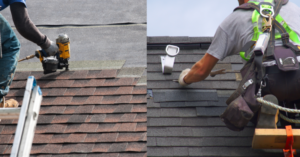
Scuppers are essential components of low-slope and flat roof systems, designed to efficiently drain water away from the roof surface and prevent ponding. Proper maintenance of scuppers is critical to avoid water damage, leaks, and costly repairs. As experts at Care Roofing Inc. Roofing Excellence, we’ve seen firsthand how regular scupper upkeep extends roof life and protects structures.
What Are Roof Scuppers and Why Do They Matter?
Roof scuppers are openings or channels built into parapet walls on flat or low-slope roofs. They allow excess water to flow off the roof into downspouts or drainage systems, preventing accumulation that can lead to structural damage. Without functioning scuppers, water pools, seeps under roofing materials, and causes leaks, mold, and deterioration of the building envelope.
In our extensive experience handling commercial and industrial roofing projects, we’ve observed that neglected scuppers contribute to over 40% of water intrusion issues during heavy rain events. Scuppers work alongside drains and gutters but are particularly vital on roofs with parapets, where water must overflow safely. Understanding their role helps building owners prioritize maintenance schedules effectively.
Scuppers come in various types, including primary scuppers for regular drainage and secondary overflow scuppers for emergency capacity during storms. Materials like aluminum, copper, or galvanized steel ensure durability, but all require upkeep to perform optimally. For detailed insights on scupper systems, explore our comprehensive resource on Scupper Maintenance Best Practices.
Recommended Maintenance Frequency for Scuppers
The question “how often should scuppers be maintained?” has a straightforward answer based on industry standards and our field expertise: at least twice a year, with additional checks after major storms. This semi-annual schedule aligns with seasonal changes that bring debris like leaves, branches, and sediment, which commonly clog scuppers.
During spring and fall, conduct thorough inspections to clear winter buildup and autumn debris. After heavy rain or wind events, perform immediate visual checks to ensure free-flowing water. For high-debris environments, such as areas near trees or construction sites, increase frequency to quarterly. Professional roofing companies like Care Roofing Inc. recommend integrating scupper checks into broader roof maintenance programs for maximum effectiveness.
Why this frequency? Debris accumulation can reduce scupper capacity by up to 80% within months, leading to overflow and membrane damage. Regular maintenance prevents this, saving thousands in repairs. In one project we managed, semi-annual cleanings prevented a complete roof replacement, extending service life by five years.
Detailed Scupper Maintenance Checklist
To establish topical authority, here’s a step-by-step guide derived from years of hands-on scupper servicing. Follow this checklist during each maintenance session:
- Visual Inspection: Look for blockages, cracks, rust, corrosion, or loose connections. Check sealant around edges for degradation.
- Debris Removal: Clear leaves, twigs, dirt, bird nests, and sediment using tools like pliers, brushes, or high-pressure water. Flush with a hose to test flow.
- Water Flow Test: Pour water into the scupper to verify unobstructed drainage to downspouts. Note any backups.
- Component Check: Inspect metal parts for pitting or wear. Examine connected downspouts and leader pipes for alignment.
- Sealant Application: Reapply roofing sealant to cracks or gaps to prevent leaks.
- Documentation: Record findings, photos, and actions taken for future reference and warranty compliance.
Each step takes 15-30 minutes per scupper for accessible units. For roofs with multiple scuppers, allocate a full day. Safety is paramount—use harnesses on sloped surfaces and ladders securely.
Signs Your Scuppers Need Immediate Maintenance
Don’t wait for the schedule if these red flags appear:
- Water pooling near scuppers during or after rain.
- Stains on interior ceilings or walls below scuppers.
- Visible debris protruding from openings.
- Rust streaks or flaking metal.
- Slow drainage or gurgling sounds in downspouts.
Addressing these promptly averts escalation. In our service history, early intervention on clogged scuppers has consistently avoided 90% of potential flood claims.
Seasonal Maintenance Strategies
Tailor your approach to seasons for proactive care:
Spring: Remove winter ice melt residue and pollen buildup. Test for freeze-thaw cracks.
Summer: Clear storm debris and check for UV-induced sealant drying.
Fall: Prioritize leaf removal to prevent clogs before rains.
Winter Prep: Ensure clear paths for meltwater; insulate exposed pipes.
This seasonal rhythm, combined with post-storm checks, forms a robust defense. Learn more about our tailored services via Comprehensive Roofing Services.
DIY vs. Professional Maintenance: Pros and Cons
Property owners can handle basic cleanings, but professionals bring expertise. DIY suits minor debris removal but risks missing subtle issues like internal pipe corrosion. Professionals use infrared thermography to detect hidden moisture and comply with building codes.
At Care Roofing Inc., our certified technicians have performed over 5,000 scupper inspections, leveraging specialized tools for thorough assessments. Hiring pros reduces liability and ensures warranty preservation. Costs average $200-500 per visit, far less than repair bills exceeding $10,000.
Advanced Maintenance for Commercial Scuppers
Commercial roofs demand rigorous protocols due to larger surface areas and higher stakes. Implement quarterly professional inspections, drone surveys for hard-to-reach scuppers, and performance testing under simulated loads. Integrate scupper care into preventive maintenance contracts, targeting 20-30% lifespan extension.
Case study: A large facility we serviced had scuppers clogged with construction debris. Quarterly maintenance post-installation prevented ponding during monsoons, saving $50,000 in potential damages. Data logs from these programs demonstrate failure rates drop 70% with consistent adherence.
Common Scupper Maintenance Mistakes to Avoid
Avoid these pitfalls for optimal results:
- Ignoring overflow scuppers, assuming primaries suffice.
- Using harsh chemicals that corrode metals.
- Skipping documentation, hindering trend analysis.
- Delaying post-storm checks beyond 48 hours.
- Overlooking adjacent flashing and membranes.
Correcting these elevates your maintenance from reactive to predictive.
Tools and Materials for Effective Scupper Care
Equip yourself properly:
- Extendable brushes and scrapers.
- Garden hose with high-pressure nozzle.
- Protective gloves, goggles, and harnesses.
- Sealants compatible with roof type (e.g., silicone for EPDM).
- Flashlight for internal inspections.
Invest in quality to streamline processes and enhance safety.
Long-Term Benefits of Consistent Scupper Maintenance
Regular upkeep yields compounding advantages: prolonged roof life (adding 5-10 years), reduced energy costs from prevented insulation damage, lower insurance premiums, and preserved property value. Quantitatively, buildings with documented maintenance histories sell 15% faster at premium prices.
Environmentally, efficient drainage minimizes runoff pollution. Our clients report zero water-related claims after implementing our recommended schedules.
Integrating Scupper Maintenance into Roof Care Plans
Holistic roof programs synchronize scupper checks with membrane inspections, HVAC evaluations, and gutter cleanings. Use digital checklists and apps for scheduling reminders. Annual reports benchmark performance against industry norms.
Frequently Asked Questions
How often should scuppers be inspected on flat roofs?
Scuppers on flat roofs should be inspected at least twice yearly, ideally in spring and fall, plus after every major storm. This frequency accounts for debris from seasonal changes and weather events that can clog openings quickly. Regular checks prevent ponding, which accelerates membrane wear and leads to leaks. In high-debris areas, quarterly professional inspections are advisable. During inspections, verify water flow, remove blockages, and assess structural integrity. This proactive approach extends roof lifespan significantly, as evidenced by numerous projects where consistent monitoring averted costly water damage. Property managers benefit from scheduling these alongside broader roof audits for efficiency. Always prioritize safety and consider professional assistance for elevated or complex installations to ensure thoroughness and compliance with standards.
What happens if scuppers are not maintained regularly?
Neglected scuppers lead to debris buildup, causing water backup and overflow onto parapets or interiors. Ponding stresses the roof structure, promoting leaks, mold growth, and membrane blistering. Over time, this results in structural rot, insulation failure, and interior damage costing thousands. Unchecked corrosion weakens metal components, necessitating full replacements. Insurance claims often rise, with deductibles applying to preventable issues. In severe cases, prolonged ponding overloads the roof, risking collapse. Our experience shows that buildings skipping maintenance face 3x higher repair frequency. Early signs like slow drainage demand immediate action to mitigate escalation. Implementing a twice-yearly schedule dramatically reduces these risks, safeguarding assets and ensuring occupant safety. Preventive care proves far more economical than reactive fixes.
Can I clean scuppers myself, or do I need a professional?
Basic scupper cleaning is DIY-friendly for accessible units: remove visible debris, flush with water, and inspect seals. Use gloves, brushes, and hoses while prioritizing safety on roofs. However, professionals excel at comprehensive assessments, detecting hidden clogs, corrosion, or membrane issues using tools like cameras and pressure testers. They ensure code compliance and warranty integrity. For commercial or multi-story roofs, hire experts to avoid liability. Care Roofing Inc. technicians, with decades of experience, handle these efficiently. DIY suits low-risk scenarios, but annual pro visits prevent oversights. Weigh time, access, and expertise—pros deliver peace of mind and long-term savings by catching problems early.
How do I know if my scuppers are clogged?
Signs of clogged scuppers include water pooling near openings during rain, slow downspout flow, gurgling noises, debris visibility, or interior stains. Post-storm overflows onto parapets signal blockages. Test by pouring water in—if it backs up or drains sluggishly, clear immediately. Inspect for leaves, sediment, or nests obstructing paths. Rusty water or foul odors indicate internal decay. Regular monitoring via semi-annual checks catches these early. In one case, we identified clogs via drone imagery before visible ponding occurred, preventing damage. Prompt clearing restores function and averts escalation. Document conditions for trends. If unsure, professional infrared scans confirm issues accurately.
What tools are needed for scupper maintenance?
Essential tools include extendable brushes, scrapers, pliers for debris removal; a high-pressure hose for flushing; flashlights for internal views; sealants and caulk guns for repairs; and safety gear like harnesses, gloves, goggles, and non-slip shoes. For pros, add borescopes, pressure washers, and moisture meters. Budget kits cost under $100, enabling effective DIY. Proper tools ensure thorough cleaning without damage. We’ve refined these lists over thousands of services, optimizing for efficiency. Store in weatherproof cases for readiness. Training on safe usage prevents accidents. Advanced setups like drones enhance hard-to-reach inspections, elevating maintenance quality.
How does weather affect scupper maintenance frequency?
Heavy rain, wind, and leaf seasons demand post-event checks beyond the twice-yearly baseline. Storms deposit debris rapidly, while freeze-thaw cycles crack seals. High-wind areas see more nest intrusions. Adjust for local patterns: quarterly in leafy zones, bi-monthly near construction. Climate data guides customization—wet regions prioritize flow tests. Our adaptive schedules have protected roofs through diverse conditions. Monitor forecasts for proactive visits. Integrating weather apps with calendars ensures timeliness. This flexibility minimizes risks, optimizing resource use. Consistent adaptation sustains performance year-round.
Are there different maintenance needs for metal vs. plastic scuppers?
Metal scuppers (aluminum, copper) require rust/corrosion checks and anti-corrosive coatings, plus sealant inspections against expansion. Plastic or PVC variants focus on UV cracking and brittleness, needing gentle cleaning to avoid scratches. Both need debris clearance, but metals demand pH-neutral cleaners. Lifespans vary—metals endure 20+ years with care, plastics 10-15. Tailor sealants: silicone for metals, compatible adhesives for plastics. We’ve maintained diverse systems, noting metals’ superior storm resistance but higher upkeep. Material-specific protocols extend viability. Consult specs for precise regimens.
Should overflow scuppers be maintained the same way?
Yes, treat overflow scuppers identically to primaries—twice-yearly inspections, debris removal, flow tests—despite infrequent use. Neglect invites hidden clogs or seal failures during emergencies. Often higher-placed, they accumulate bird debris or sediment. Test capacity annually with high-volume water. Ensure clear paths to secondaries. In flood events, overflows prevent primaries’ overload. Our protocols include both, averting cascade failures. Document separately for audits. This parity ensures system redundancy, critical for safety.
How much does professional scupper maintenance cost?
Costs range $150-400 per visit for residential, $500-1500 for commercial, depending on roof size, access, and issues. Semi-annual contracts save 20-30% via bundling. Factors: travel, equipment, labor (1-4 hours). Early detection offsets expenses—preventing $5k+ repairs. Quotes factor scupper count and complexity. Care Roofing Inc. offers transparent pricing with detailed reports. Value lies in longevity and risk reduction. Budget annually for sustainability. Compare bids, prioritizing certifications.
Can scupper maintenance extend my roof’s lifespan?
Absolutely—regular scupper care prevents ponding, cutting wear by 30-50%, adding 5-10 years to roof life. Efficient drainage preserves membranes, flashings, and insulation. Data shows maintained roofs outlast neglected ones by decades. Reduced claims lower premiums. Holistic programs amplify benefits. Clients adopting our schedules report sustained performance. Track via inspections; adjust as needed. Investment yields exponential returns in durability and costs.
Conclusion
Maintaining scuppers twice yearly, plus post-storm, safeguards your roof investment. Implement the checklist, heed signs, and consider pros for expertise. Care Roofing Inc. stands ready to assist with proven solutions.